Discover South Korea Women Culture and Lifestyle in 2026
8/6/2026
In short, what you'll discover in this article:
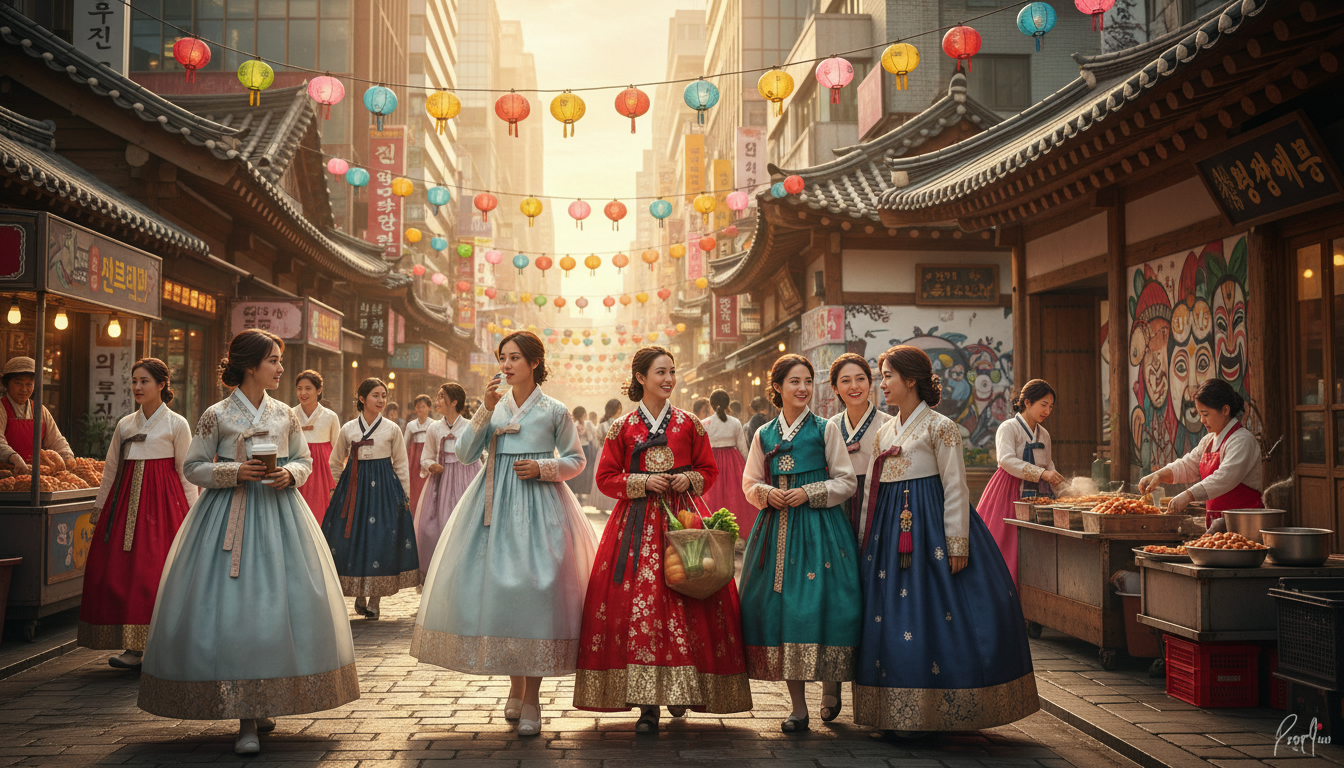
Explore the evolving roles, challenges, and lifestyles of South Korea women today. From historical shifts to modern cultural trends, this article offers a comprehensive look at their education, workforce participation, rights, and social image.
1. Introduction
The topic of south korea women has gained increasing attention as global curiosity about South Korean culture grows, fueled by popular K-dramas and K-pop. Understanding the lives of South Korean women means delving beyond stereotypes to appreciate their complex social roles, challenges, and achievements.
This article aims to provide a well-rounded perspective on how South Korean women navigate tradition and modernity in today’s society.
2. Historical and Social Context
2.1 Evolution of Gender Roles in South Korea
Historically, South Korean society was deeply rooted in Confucian values that emphasized patriarchal family structures and defined strict gender roles. Women were traditionally expected to focus on domestic duties and child-rearing while men were the primary breadwinners.
However, rapid industrialization and modernization since the mid-20th century have gradually shifted these norms. Women increasingly entered education and the workforce, challenging traditional expectations.
2.2 Key Moments and Recent Feminist Movements
The late 20th and early 21st centuries saw significant feminist activism in South Korea. Movements advocating for gender equality, reproductive rights, and protection against domestic violence have gained momentum.
The #MeToo movement resonated strongly in South Korea, sparking public debates about workplace harassment and gender discrimination. These efforts have contributed to legal reforms and greater awareness of women's rights.
3. Current Data and Overview
3.1 Demographics and Economic Participation
South Korean women constitute nearly half the population and have steadily increased their participation in the workforce. Despite this progress, wage gaps persist, with women earning significantly less than men on average.
Employment sectors with high female representation include education, healthcare, and services, while leadership roles remain limited.
3.2 Education and Career Development
Education is highly valued among South Korean women. Enrollment rates in universities have surpassed those of men in recent years, reflecting strong academic achievement.
This educational foundation has enabled many women to pursue diverse professional careers ranging from technology to entrepreneurship.
3.3 Political Representation and Leadership
Women’s representation in politics remains relatively low compared to other developed nations but is gradually improving through quotas and advocacy efforts. Female leaders are emerging in government, business, and civil society organizations, signaling a slow but steady shift toward gender-balanced leadership.
4. Rights, Laws, and Public Policies
4.1 Legislation on Work, Parenthood, and Domestic Violence
South Korea has implemented laws aimed at protecting women’s labor rights, including maternity leave and anti-discrimination statutes. Domestic violence laws have been strengthened to provide better support for victims.
However, enforcement challenges remain a concern.
4.2 Work-Family Balance Policies and Their Limitations
Government policies encourage work-family balance through parental leave schemes and childcare support. Yet cultural expectations often pressure women to prioritize family over career advancement, limiting the effectiveness of these policies.
5. Culture, Media, and Women’s Image
5.1 Influence of K-pop and K-dramas on Beauty Standards and Behavior
K-pop idols and K-drama actresses heavily influence societal beauty ideals for South Korean women—emphasizing flawless skin, slim figures, and fashionable styles. These media portrayals shape public perceptions but also create pressures related to appearance.
5.2 Advertising, Social Media, and Societal Pressures
Social media platforms amplify beauty trends while exposing women to intense scrutiny regarding their looks and lifestyle choices. Advertising often reinforces traditional feminine ideals but also showcases empowered female figures challenging norms.
6. Health and Well-Being
6.1 Reproductive Health Access and Recent Challenges
Access to reproductive healthcare has improved but remains a sensitive topic due to cultural taboos around contraception and abortion. Recent debates focus on expanding reproductive rights while addressing declining birth rates.
6.2 Mental Health Awareness and Stigma
Mental health issues among South Korean women are gaining recognition amid rising stress from work-life pressures and societal expectations. However, stigma still hinders open discussion and access to mental health services.
7. Diversity and Underexplored Topics
7.1 Immigrant Women and Multicultural Families
South Korea’s increasing multicultural population includes immigrant women who face unique integration challenges related to language barriers, discrimination, and limited social support.
7.2 Rural vs Urban Women; Elderly Women’s Experiences
Women living in rural areas often experience more traditional gender roles with fewer economic opportunities compared to urban counterparts who tend to embrace modern lifestyles more readily. Elderly women face issues related to social isolation and healthcare access.
8. Testimonials, Case Studies, and Local Resources
8.1 NGOs, Initiatives, and Activists to Follow
Several organizations actively support South Korean women's rights through education programs, legal aid, and advocacy campaigns addressing gender-based violence or workplace equality.
8.2 Case Study: Empowering Women Entrepreneurs
Profiles of successful South Korean women entrepreneurs highlight how education combined with supportive networks enables them to break barriers in male-dominated industries.
9. Conclusion
South Korean women today embody a dynamic blend of tradition and modernity as they navigate evolving social roles amid persistent challenges like wage gaps or societal pressures on appearance. Progress in education, workforce participation, legal protections, and cultural representation signals positive change but also underscores areas needing further attention for true gender equality.
For travelers or those interested in connecting with South Korea digitally during your visit or research journey about south korea women, consider exploring the best eSIM plans for South Korea for seamless online access without roaming fees — MyBestSim offers reliable comparisons with verified promo codes like MYBESTSIM for discounts on top providers such as Saily or SIMOVO.
This comprehensive overview invites you to deepen your understanding beyond entertainment stereotypes toward appreciating the rich realities shaping South Korean women's lives today.
FAQ
How have gender roles evolved for South Korean women?
Gender roles in South Korea have shifted from traditional Confucian expectations of domesticity to increased participation in education and the workforce. Modern women challenge patriarchal norms while balancing cultural traditions and contemporary opportunities.
What challenges do South Korean women face in the workplace?
South Korean women encounter wage gaps, limited leadership roles, and workplace discrimination despite legal protections. Cultural pressures and persistent gender biases continue to affect career advancement and equality.
How do South Korean media influence women's beauty standards?
K-pop and K-dramas shape societal beauty ideals emphasizing flawless skin and slim figures. These portrayals create both aspirational images and intense social pressures on appearance for South Korean women.
What legal protections support South Korean women's rights?
South Korea has laws addressing maternity leave, workplace discrimination, and domestic violence. While these laws offer important protections, enforcement and cultural attitudes sometimes limit their full effectiveness.
How do South Korean women balance work and family life?
Government policies promote parental leave and childcare support, but traditional expectations often pressure women to prioritize family over career. This cultural tension challenges effective work-family balance for many women.
Jiwon Park
Jiwon is a Seoul-based travel and technology writer who has tested eSIMs across South Korea and Asia. At Korea eSIM she compares travel data plans on SK Telecom, KT and LG U+ and helps visitors stay online affordably from Seoul to Jeju.